Winter in the Waikato is the real test for your gutters. July and August bring the region's heaviest rainfall, and if your gutters aren't in good shape going in, you'll find out the hard way — usually during a downpour at 11 o'clock on a Tuesday night. Getting your gutters ready before winter arrives isn't complicated, but it does need to happen before the rain sets in, not during it.
Why pre-winter preparation matters
Gutters only matter when it rains — and in winter, that's a lot. Your roof sheds hundreds of litres of water in a decent storm, and every litre of it is relying on clear, well-fitted gutters to get it safely away from the house. A blocked or damaged gutter during heavy rain doesn't just overflow; it holds water against the timber fascia, sends water down the walls, and in some cases pushes moisture up under roofing iron. The damage from a single wet winter can cost thousands to repair if the gutters weren't ready.
The good news is that preparing your gutters is straightforward. It's mostly a case of clearing them out, checking they're in good condition, and making sure the downpipes are clear. Do this in autumn — ideally May, before the real winter rain arrives — and your house is sorted.
Pre-winter gutter checklist
Work through this list each year before winter. Some items you can check from the ground; others need a professional to look at properly.
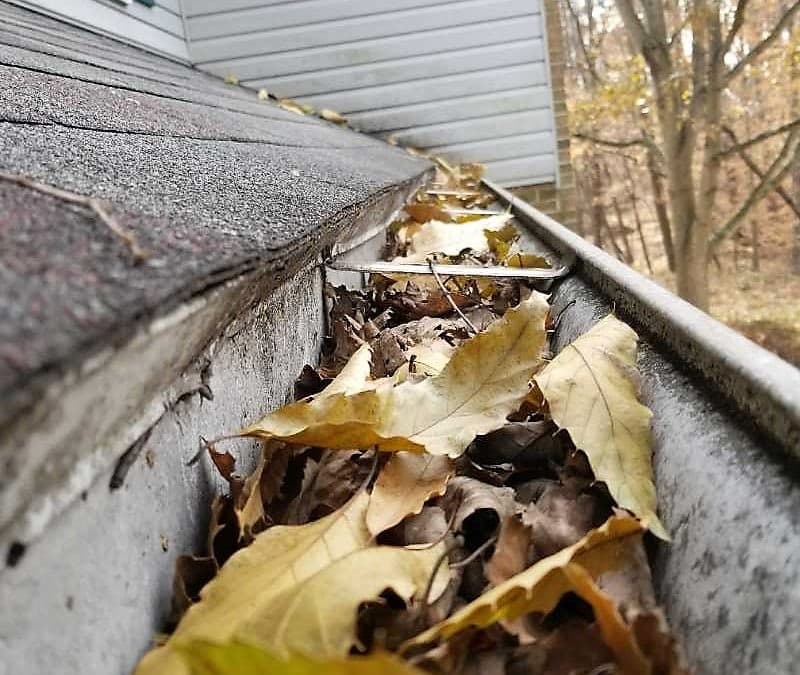
- Clear the gutter channel — remove all leaves, debris and silt so water can flow freely to the downpipe
- Clear and test the downpipes — flush water through to confirm they're not blocked at the base or mid-run; a blocked downpipe is just as bad as a blocked gutter
- Check for sagging sections — gutters that dip in the middle hold standing water and are more likely to overflow; this usually means a loose or broken bracket
- Look for rust or holes — especially on older steel spouting; small rust spots become holes in winter when water sits in them
- Check the fall direction — gutters should slope gently toward the downpipe; water pooling in sections that never drain is a problem
- Inspect the fascia behind the gutter — if the timber is soft, discoloured or flaking, it's already taken water damage and should be addressed before winter makes it worse
- Clear debris from the roof — heavy leaf and branch build-up on the roof will wash into the gutters in the first decent rain; a quick roof sweep saves you cleaning the gutters twice
When to do it: timing your pre-winter clean
The ideal window is late April to the end of May. By then, most deciduous trees have dropped the bulk of their leaves and you can clear the gutters knowing they won't be immediately refilled. If you wait until June or July, you're already into the wet season and playing catch-up. If you have late-dropping trees (pin oaks are common in the Waikato and don't shed until mid-May), it's worth waiting until late May to book. You can also read more about timing in our autumn gutter cleaning guide.
What to do about moss and lichen before winter
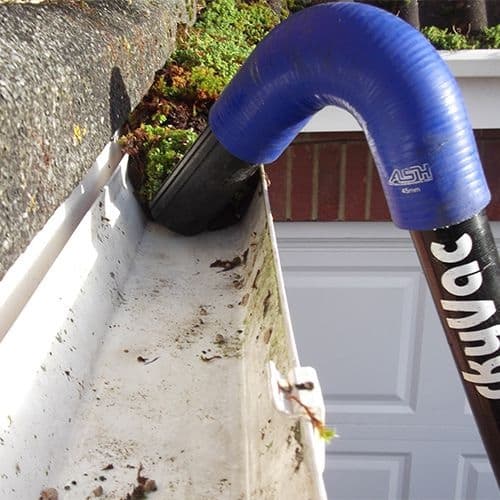
Damp winters in the Waikato accelerate moss and lichen growth on roofs and in gutters. If you've already got a build-up going into winter, it'll be worse by spring. Moss inside the gutter holds moisture against the metal or plastic, speeds up corrosion, and adds to blockage risk. If you're seeing significant moss in the gutter or on the roof, a soft wash treatment before winter is worth considering — it slows down regrowth and takes the pressure off the gutters through the wet months. Read more about moss and lichen in gutters and how to deal with it properly.
Two-storey homes: extra reason to sort it before winter
If you've got a two-storey home, pre-winter preparation matters even more. The volume of water coming off a two-storey roof in a storm is significantly higher, and the consequences of overflow — water tracking down from height — are harder to control. Upper gutters that fill up overflow into the lower gutter run, so you can end up with both levels overflowing at once. Getting both runs cleared and checked before winter is the right move.
Do I need a professional, or can I do it myself?
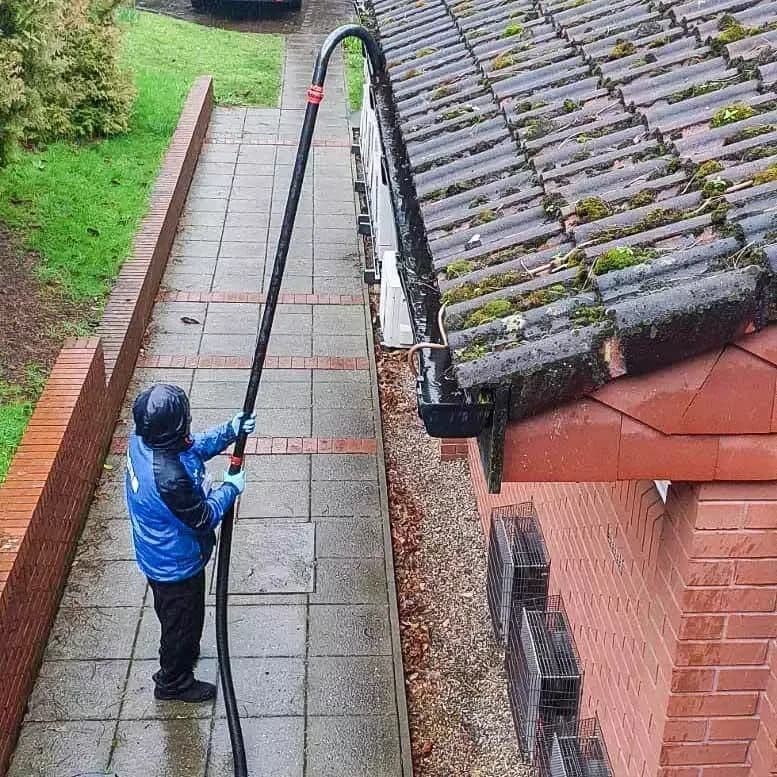
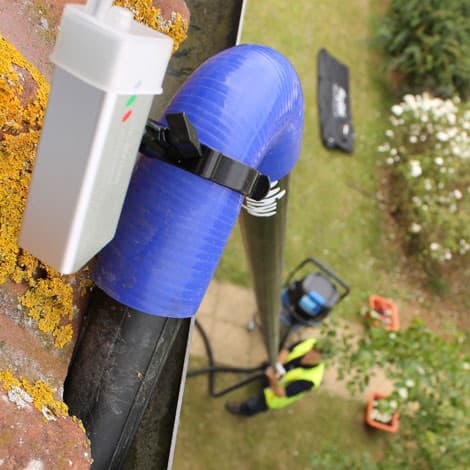
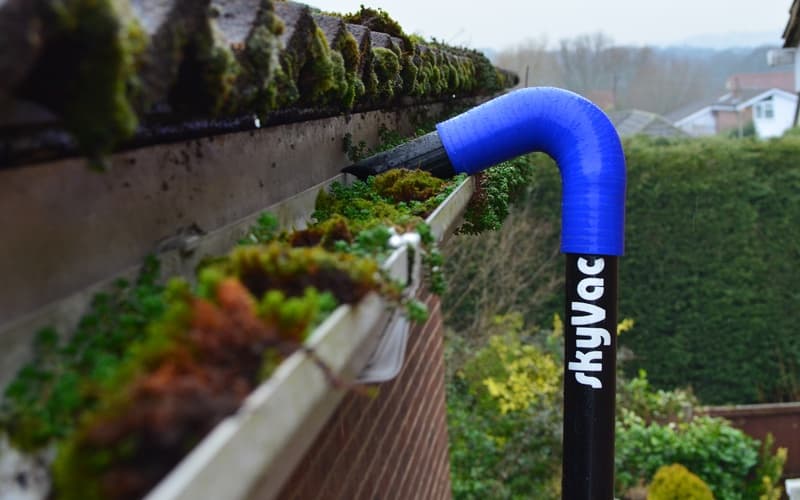
For a single-storey home with straightforward access, some people clear their own gutters. But it's worth knowing that ladder falls are among the most common DIY injuries in New Zealand, and for anything above ground level, the risk isn't worth it. We use the SkyVac gutter vacuum to clear gutters from the ground — no ladders, no mess, and we can reach up to three storeys safely. It's a faster and safer option than doing it yourself, and the cost is less than most people expect.
If you want to get your gutters sorted before winter arrives, get in touch for a free quote. We'll get you booked in and ready to handle whatever winter brings.