If you only clean your gutters once a year, autumn is the time to do it. In the Waikato, the window between the main leaf fall and the arrival of heavy winter rain is your best opportunity to get the gutters cleared, checked, and ready to handle whatever the next six months throw at them. Get it right and your house sails through winter. Miss it and you're dealing with blocked gutters at exactly the time they need to be working hardest.
Why autumn is the critical window
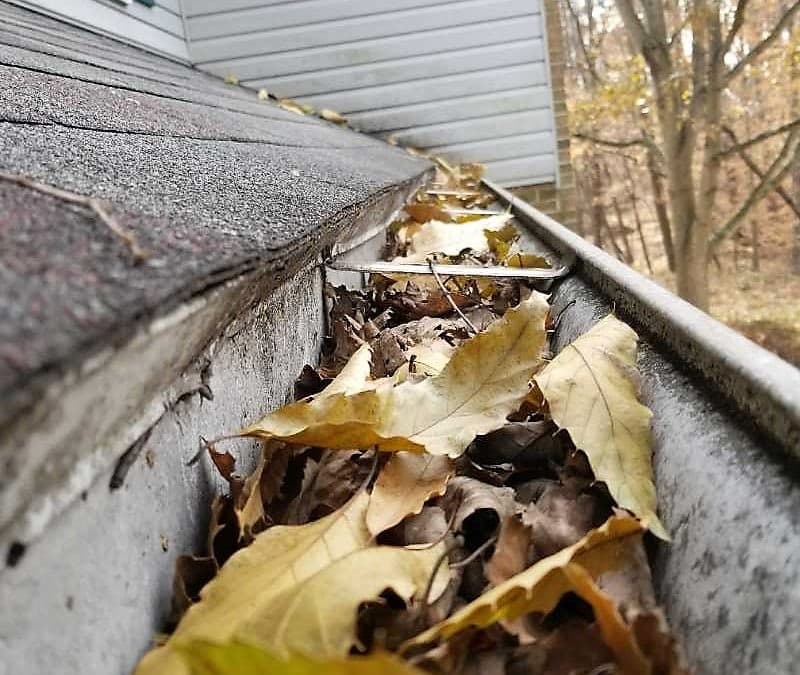
The pattern is predictable every year. Deciduous trees — liquidambars, plane trees, maples, birches, and the rest — drop the bulk of their leaves through March, April and into May. That material falls straight into your gutters, compacts with any existing silt and debris, and creates a mat that water can't get through. Then the winter rain arrives. July and August in the Waikato typically bring the heaviest rainfall of the year, and that's exactly when your gutters need to be clear and flowing freely. A blocked gutter during heavy rain doesn't just overflow — it holds water against your fascia, pushes it up under roofing iron, and sends it down your walls.
The autumn clean solves this before it becomes a problem. You're clearing the leaf build-up while it's relatively fresh and before the winter rains compact it further, and you're giving yourself a clear run through the wettest months.
Waikato trees: what you're dealing with
Hamilton, Cambridge, Te Awamutu and the surrounding towns have some of the most beautifully treed streets in New Zealand — but that comes with gutters that work overtime. Common culprits in the Waikato include:
- Liquidambars — big star-shaped leaves that pack tightly and don't break down quickly
- London plane trees — dropping large leaves plus bark and seed balls
- Silver birch — smaller leaves that slip through downpipes and collect deep in the gutter
- Pin oaks — late droppers that don't fully shed until June, extending the risk window
- Natives like pohutukawa and kahikatea — drop year-round, so autumn compounds existing build-up
If your section has any of these, or if your house backs onto reserves, parks or established gardens, your gutters are filling up faster than a typical home. An autumn clean is non-negotiable.
When exactly should you book?
The sweet spot is late April to late May — after most deciduous trees have shed the bulk of their leaves but before the main winter rain sets in. Book too early (say, February or March) and you'll clear the gutters only to have them refilled by the autumn drop. Book too late (July or August) and you've already had multiple rainstorms with blocked gutters.
That said, late is always better than never. Even a clean in early winter is worth doing — it's just that you want to catch it before the heaviest rain rather than during it. If you've got pin oaks or other late-dropping trees, you might wait until mid-May before booking to make sure most of the drop is done.
What an autumn clean should cover
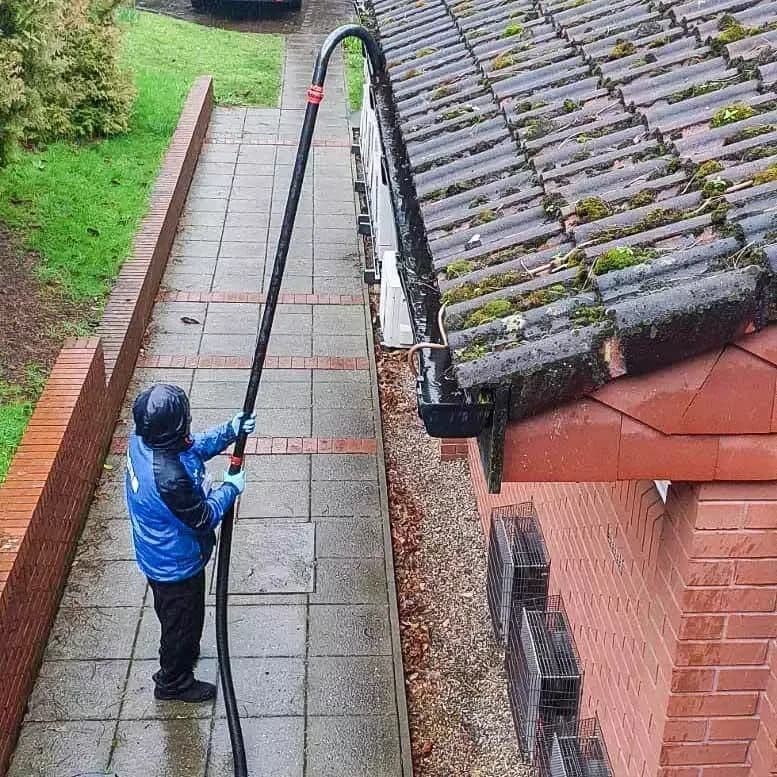
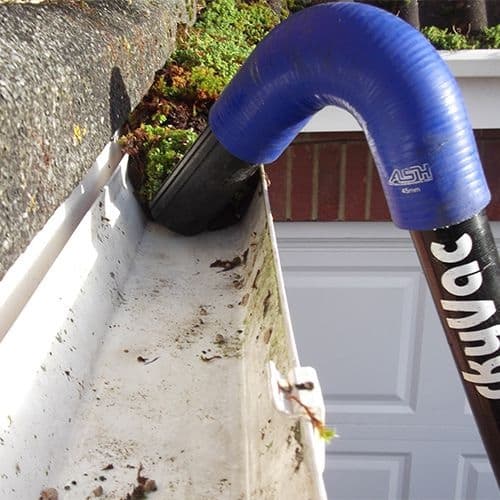
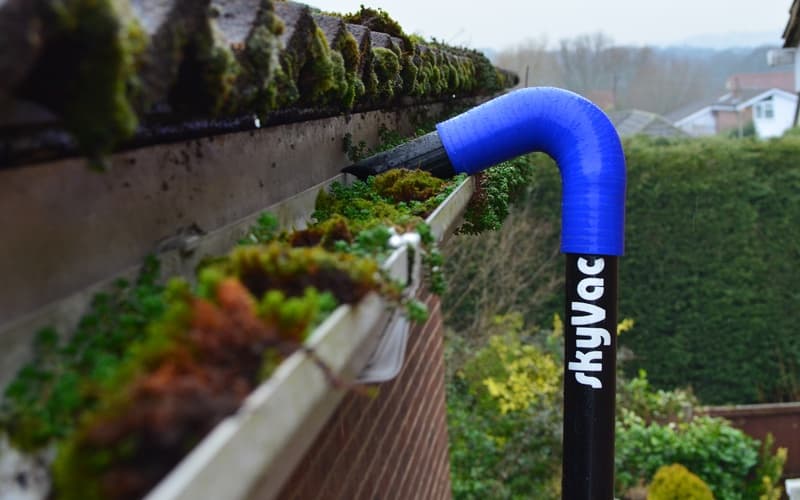
A proper autumn gutter clean isn't just scooping out leaves. It should include clearing the full gutter run, checking and clearing the downpipes, and inspecting for any damage that's appeared over summer — rust spots, loose brackets, low-spots where water pools rather than flowing to the downpipe. Our gutter cleaning service covers all of this from the ground using the SkyVac 85, so there's no ladder involved and no debris left on your lawn or paths.
What happens if you skip it
The consequences of a blocked gutter through winter aren't always dramatic or immediate — that's what makes them easy to ignore. But the damage accumulates quietly. Standing water in the gutter works into the timber behind the fascia board. Overflow from a blocked section tracks down the exterior wall and into the wall cavity. Water that backs up under roofing iron can reach the ceiling and cause staining or insulation damage. All of these repairs are significantly more expensive than a gutter clean. For a more detailed breakdown, take a look at what happens if you don't clean your gutters.
How often do autumn-heavy properties need cleaning?
For most Waikato homes with mature trees nearby, we'd suggest autumn as a minimum, with a second lighter clean in spring to clear the seed pods and wind-blown material that collects over the warmer months. Properties with significant tree cover may genuinely benefit from twice-yearly servicing. If you're not sure what your property needs, get in touch — we're happy to give you a straight answer based on what we see.
Autumn cleans book up from April onwards and slots fill quickly. If you want to get yours sorted before the first big winter rain, it's worth locking in the date early. Get a free quote and we'll get you scheduled.