Gutters overflowing in heavy rain is so common that a lot of homeowners assume it's just what gutters do. It's not. An overflow is a signal that something in the system isn't working — and left alone, it's quietly doing damage every time it rains. Understanding what causes overflow makes it a lot easier to sort it out and stop it from coming back.
The most common cause: debris blockage
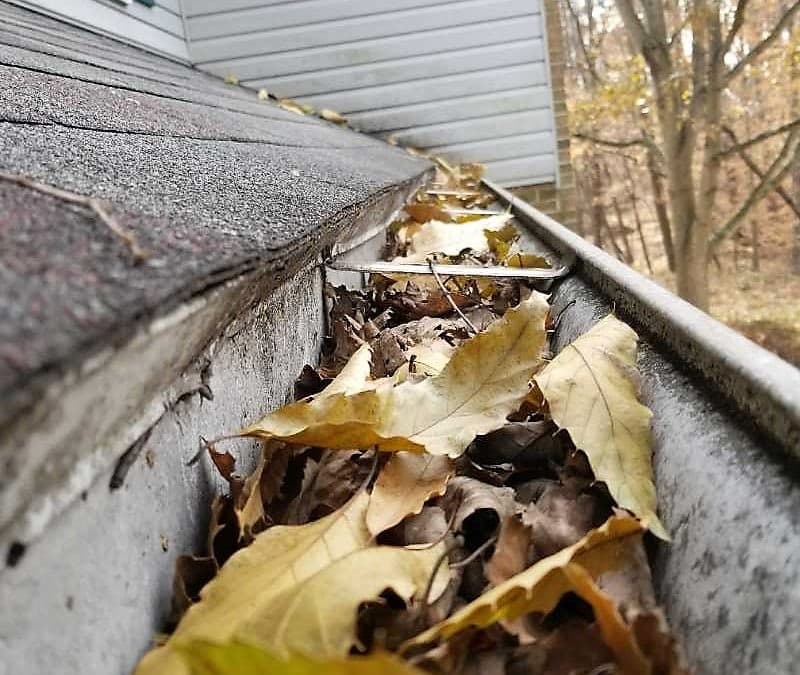
The vast majority of overflowing gutters come down to one thing: the gutter channel is full of debris — leaves, silt, seed pods, moss — and water has nowhere to go except over the edge. This is especially common in the Waikato where leafy streets and established gardens mean gutters can fill quickly through autumn and winter.
A gutter doesn't need to be completely packed to overflow. Even a partial blockage near a downpipe inlet can cause the whole run to back up. Water is efficient — it takes the path of least resistance, and if that means spilling over the front of the gutter, that's what it'll do.
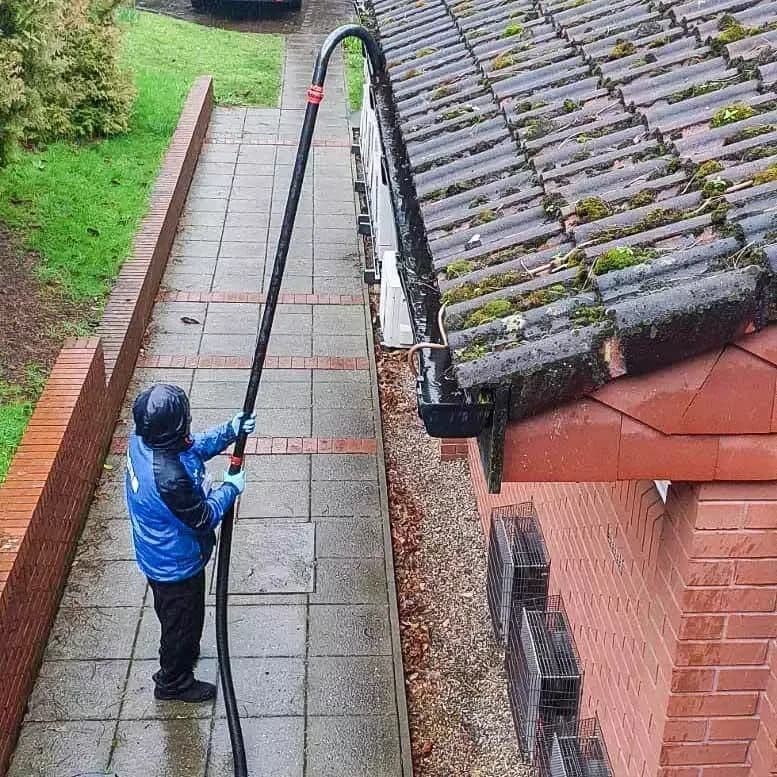
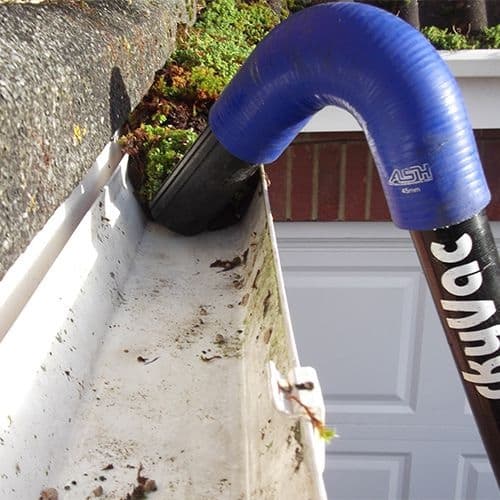
The fix is straightforward: a proper clean. Not just scooping what's visible, but clearing the whole channel and the downpipe inlet. Our gutter cleaning service uses a vacuum system that pulls debris out cleanly rather than pushing it further into the downpipe — which is a common problem with water-blasting gutters.
Blocked downpipes
The gutter channel can be perfectly clean and still overflow if the downpipe is blocked. Water fills the channel faster than it can escape, and spills over the side. This is a common cause of overflow that people miss because they clean the visible part of the gutter but don't check the downpipe.
Downpipe blockages often happen at two points: just below the gutter inlet (where debris collects as it washes toward the drain) and at offsets or elbows in the pipe run where material can lodge. In some older homes, the base of the downpipe connects to an underground drain that can be blocked independently of the pipe itself.
If your gutters overflow even when the channel looks clear, the downpipe is the next place to investigate. We cover this in more detail in our guide on blocked downpipes — causes and fixes.
Incorrect fall or pitch
Gutters aren't installed perfectly level — they're laid with a slight fall toward the downpipe so water drains in the right direction. If that fall is wrong, or if fixings have shifted over time so that a section is lower than it should be, water pools in the low spot and overflows once the depth exceeds the gutter height.
This kind of overflow has a distinctive pattern: it tends to happen in one specific section of the gutter, often mid-run, rather than along the whole length. If you notice overflow consistently in the same spot even after a clean, pitch is worth checking.
- Look for pooling water sitting in the gutter after rain has stopped — it should drain away completely.
- Check whether any section of gutter has sagged or pulled away from the fascia — even a small drop in one bracket can cause pooling.
- Gutter fixings can loosen over time, especially on homes where the fascia timber has softened with age.
Correcting the fall is a job for a gutter installer or builder — it involves repositioning brackets and sometimes the gutter section itself. It's not a clean; it's a repair.
Undersized gutters
Older homes were sometimes fitted with gutters that were sized to the rainfall expectations of their era — and New Zealand rainfall patterns vary widely by location. Some Waikato properties receive significant rainfall intensity in summer storms, and a gutter that copes fine most of the time can be overwhelmed in a downpour.
If gutters consistently overflow only in heavy rain but flow normally in moderate rain, and they're clean with correctly-pitched falls, undersizing may be the issue. Wider gutters or additional downpipes are the fix — but this is worth confirming before taking on the cost, as it's less common than blockage or pitch problems.
Gutter guards that have become a blockage themselves
Gutter guards are designed to keep debris out, but they're not maintenance-free. Fine debris — pine needles, dust, small seeds — can accumulate on top of the mesh and create a crust that water can't penetrate. The gutter channel stays clear, but water bounces off the guard and over the edge instead of flowing through.
If you have gutter guards and experience overflow, the guard surface itself needs cleaning rather than (or in addition to) the gutter channel beneath. For more on this, see our honest look at whether gutter guards actually work.
What overflow actually does to a house
It's worth being clear about why overflow matters beyond the annoyance of water splashing off the eaves. When gutters overflow consistently:
- Water runs behind the gutter and down the fascia board, slowly rotting the timber from the back.
- Overflow at the front soaks the external wall cladding directly, which on a weatherboard or fibre cement home can cause moisture ingress into the wall cavity.
- Water pooling at the foundation from consistent overflow can cause soil movement and, over time, foundation issues.
- Staining on walls and fascia reduces kerb appeal and, on rendered surfaces, can cause paint failure and cracking.
A blocked gutter costs very little to fix. The damage it causes can cost a lot. If yours have been overflowing for a while, it's worth checking the fascia for softness and the cladding for staining at the same time. For more on the downstream effects, read our guide on what happens if you don't clean your gutters.
What to do if your gutters are overflowing
Start with the most common cause: book a professional clean that covers both the gutter channels and the downpipes. If the overflow continues after that, the next step is checking the pitch by watching where water sits after rain. If pitch looks fine, consider whether the gutters might be undersized for your roof catchment.
We cover the Waikato and can usually book within a few days. Get in touch and we'll come out, clear the system, and let you know what we find — including whether there's anything beyond the clean that needs attention.