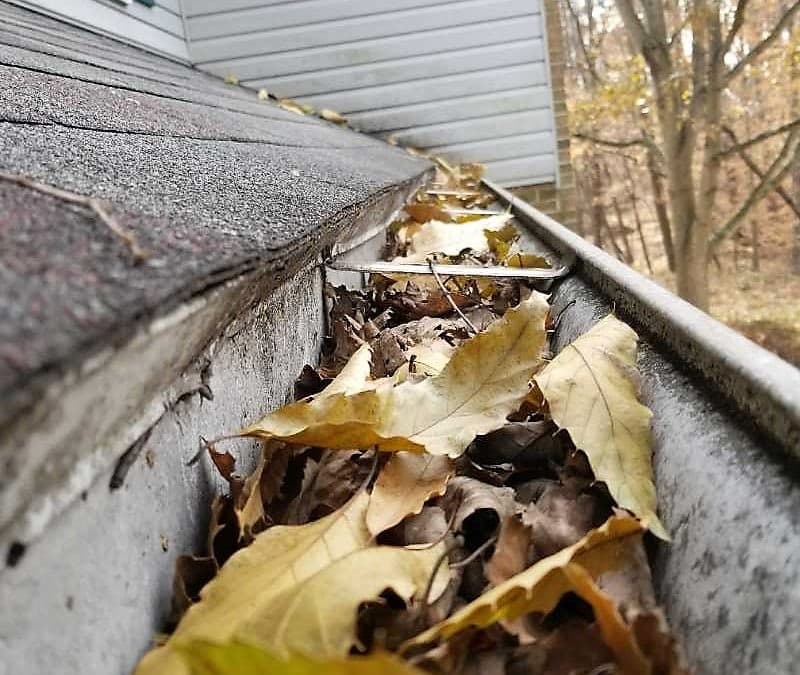
Walk into any hardware store and you'll find at least a couple of gutter guard products promising you'll never need to clean your gutters again. It's an appealing idea — bolt something on once and forget about it. But the reality is a bit more complicated than the packaging suggests, and it's worth understanding what gutter guards actually do before you spend the money or decide they're not worth it.
What gutter guards are designed to do
Gutter guards sit on top of or inside your gutters and are designed to let water through while blocking leaves, twigs and other debris from settling in and building up. The basic idea is sound: if debris can't collect in the gutter channel, it can't block the flow. There are a few main types — mesh screens, solid covers with a curved nose, foam inserts, and bottle-brush styles that sit inside the gutter. Each works a bit differently and suits different situations.
What they're actually good at
To give credit where it's due: a decent quality gutter guard does reduce the volume of debris that collects inside your gutters. If you've got large trees nearby and your gutters fill up with leaves multiple times a year, a mesh guard can make a genuine difference — turning a twice-a-year job into something closer to an annual check. For homes where cleaning is genuinely painful (very steep rooflines, multiple storeys, or awkward access), anything that reduces frequency has real value.
- Reduces how often large leaf debris packs the gutter channel
- Can prevent birds and possums from nesting inside the gutter
- Worthwhile on two-storey or difficult-to-access rooflines where cleaning is costly
- Some mesh products also slow down moss and lichen inside the gutter by improving airflow
The catch: they don't eliminate cleaning
This is the part the marketing doesn't shout about. Gutter guards slow down accumulation — they don't stop it. Here's why: water doesn't just carry big leaves. It carries fine organic material, pollen, seed pods, bark dust, and dirt. Most of that passes straight through any guard and settles in the bottom of the gutter as silt. Over time, that silt builds up just like before, just more slowly. Meanwhile, debris that doesn't go through the guard sits on top of it. Pine needles in particular are notorious for this — they poke through mesh, bridge across gaps, and create a mat on top of the guard that blocks water just as effectively as a full gutter would.
The honest expectation is this: with a good guard fitted, you might go from cleaning twice a year to once every 18 months or two years. You will still need the gutters cleaned eventually. If someone sells you a product and claims you'll never need to clean again, that's a marketing claim, not a practical one.
The NZ-specific problem: native trees and year-round dropping
Most gutter guard marketing is written with a northern hemisphere deciduous tree in mind — the kind that drops its leaves in one big autumn flush, then leaves the gutters alone all winter. New Zealand trees don't really work like that. Natives like pohutukawa, pittosporum, and ngaio drop material year-round. Gums shed bark and seed pods constantly. Even exotic deciduous trees like liquidambars and plane trees (common in Hamilton and Cambridge streets) drop winged seeds in spring that work their way into any mesh. The upshot is that the guard you buy in a temperate UK climate might not perform as well as expected in a typical Waikato garden.
Guards can also make cleaning harder
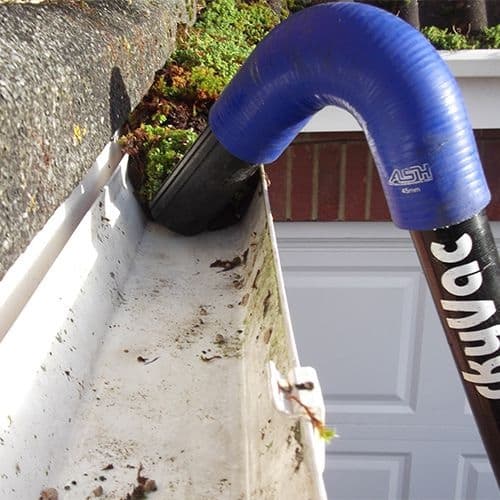
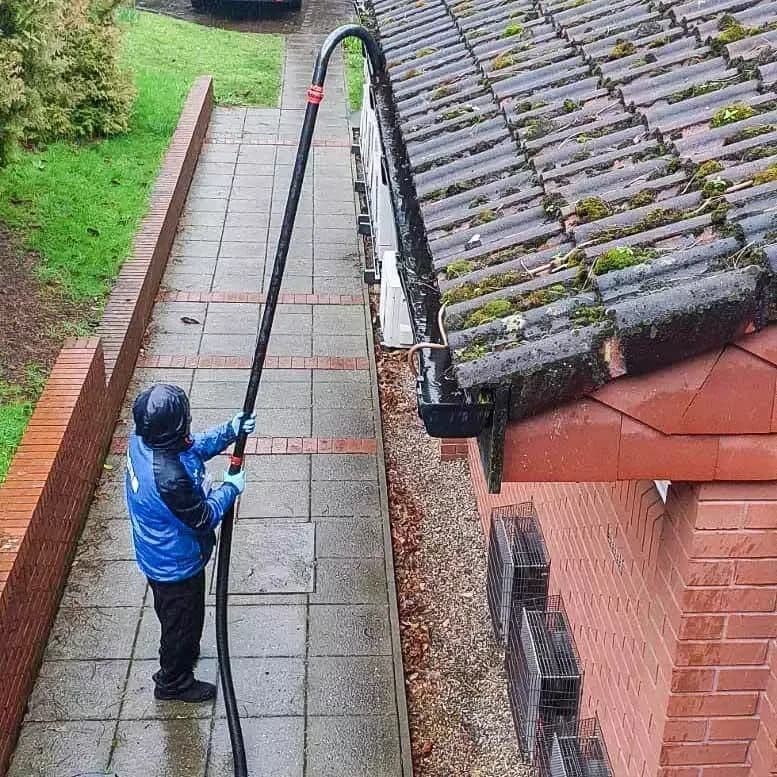
One thing worth knowing before you fit guards: they add a step to the cleaning process. A professional cleaner or tradesperson now has to either remove the guard to access the gutter, or work around it. Some guard designs are easy to lift and refit; others are screwed or clipped in ways that add real time. If you're getting a gutter vacuum clean done, the vacuum hose typically still accesses the gutter fine, but the guard does need to come off for any gutter that's silted up underneath. Factor that into your thinking if cost is a consideration.
What to look for if you do buy guards
If you've decided guards make sense for your property, here's what matters in the NZ context. Fine stainless steel mesh outperforms plastic mesh — it's harder to crack in UV, harder for seeds to pierce, and lasts longer in Waikato humidity. Solid-nose designs (where water clings to a curved surface and drops in) work reasonably well for large leaves but struggle with fine material just like mesh does. Foam and brush inserts are cheap but can actually encourage moss growth inside the gutter, which is counterproductive on damp rooflines. Whatever you choose, make sure it's properly fitted — a guard that's lifted by wind or sitting at an angle channels water over the edge rather than in, which defeats the purpose entirely.
The bottom line
Gutter guards are a useful tool for reducing maintenance frequency, not eliminating it. If your gutters are currently clean and well-maintained, and you've got significant tree cover, adding a quality mesh guard is a reasonable investment that could halve how often you need them serviced. But they're not a fit-and-forget solution — plan for at least an annual inspection and periodic gutter cleaning regardless. If you're not sure whether guards are right for your property, we're happy to give an honest opinion when we're out for a clean — just ask.
Want to talk through your options or book a clean before fitting guards? Get in touch for a free quote and we can take a look at what you're working with.