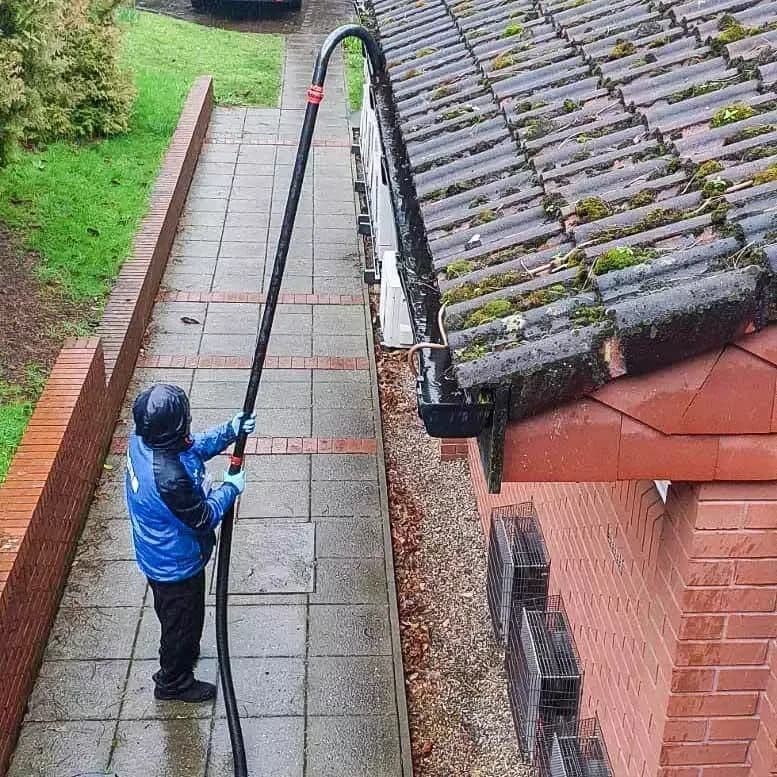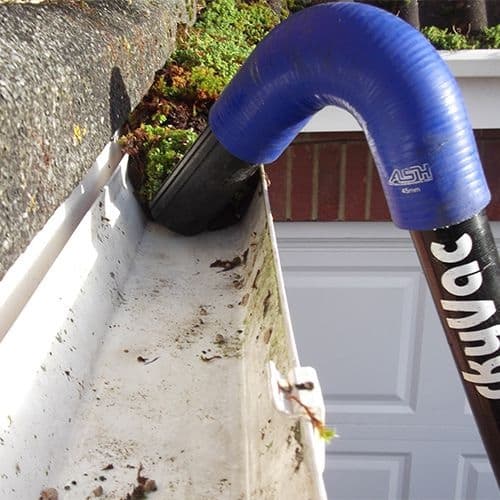
If your gutters get cleaned once a year, the timing of that one clean matters more than most people realise. Do it at the wrong time and you've technically ticked the box while leaving your gutters blocked for exactly the period when blockages cause the most damage. The debate usually comes down to autumn versus spring — two seasons that each make a reasonable case. Here's how to think about it for a Waikato home.
The case for autumn
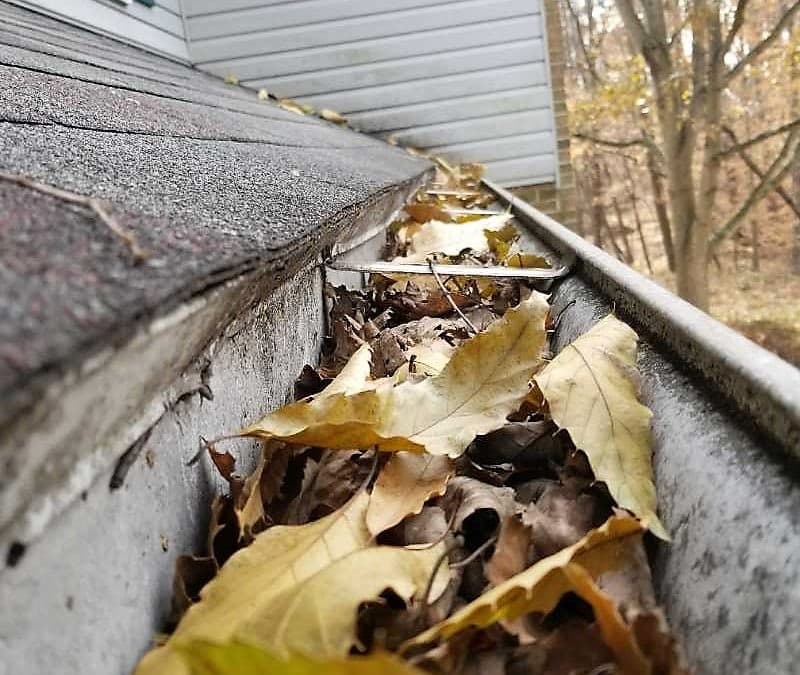
Autumn is the season that most gutter professionals would point to first, and there's a straightforward reason: it lines up the clean with the biggest risk. In the Waikato, leaf fall peaks from late April through June. If you have deciduous trees anywhere near your roofline — liquidambars, oaks, silver birches, plane trees, maples — they'll drop most of their load in this window. That debris lands in your gutters and stays there.
The timing problem is that heavy winter rain follows almost immediately after leaf fall. Waikato winters are wet — proper sustained rain, not just the odd shower. If your gutters are full of leaves and compacted debris when that rain arrives, they can't do their job. Water backs up, overflows, and runs down the fascia and into the wall cavity. That's how blocked gutters become a moisture problem, and moisture problems become a far more expensive repair than a gutter cleaning ever would have been.
A late-May or early-June clean catches the leaf fall and clears the gutters before the worst of the rain. It's a small window of time — maybe three or four weeks — when a clean makes the most difference to your home's protection over the coming months. We cover this in more detail in our autumn gutter cleaning guide.
- Leaf fall happens before winter rain — cleaning after the leaves drop but before the heavy rain is ideal timing.
- Gutters full of leaves become completely blocked fast once rain compresses the debris against the downpipe inlet.
- Winter is the longest period of sustained rainfall — having clear gutters going into it protects the whole season.
- Autumn cleaning also lets you check for any damage done over summer before it's concealed by winter growth.
The case for spring
Spring gutter cleaning has a different logic. It's not about preventing damage from what's about to happen — it's about recovering from what already has.
By the time September arrives, your gutters have been through a winter of continuous rainfall, often with a debris load that wasn't fully cleared before the wet season began. Even if you did an autumn clean, spring tends to deliver its own material: seed pods and helicopters from trees like sycamores and ashes, blossoms from flowering trees, and whatever the wind has carried across from the neighbours' section. Waikato springs also bring bursts of heavy rain and the occasional storm, so any debris that's accumulated over winter can quickly become a blockage.
There's a practical maintenance angle too. Spring is a natural time to check how everything has held up over winter — not just the gutters but the downpipes and fixings. A winter of heavy rainfall puts stress on joints and brackets, and catching a loose section or a cracked run in spring means you can deal with it before the next wet season rather than discovering it mid-winter.
- Spring brings seed pods, blossom, and wind-carried debris that can block gutters even if they were clear in autumn.
- After a full winter of rain, downpipes and joints should be checked — spring is the natural time to do this.
- If you didn't get an autumn clean done, a spring clean at least clears the accumulated material before the next season cycle.
- Homes under pine trees or other evergreens that drop debris year-round often need a spring check regardless of what else was done.
What's different under heavy trees
The spring-versus-autumn question gets more complicated if you have significant tree cover. A property with large deciduous trees overhead is genuinely at higher risk in autumn — there's simply a lot more leaf matter dropping in a concentrated period, and it falls directly into the gutters. For these properties, an autumn clean isn't optional; it's close to essential.
But heavy tree cover doesn't stop at leaf fall. Evergreen trees drop needles, bark, and small branches year-round. Flowering trees deposit material in spring that can be just as clogging as autumn leaves. If you have a large macrocarpa, a Norfolk pine, or several flowering cherry trees within range of your roofline, twice-yearly cleaning is usually the right call — once in late autumn and once in spring. The how often should you clean your gutters guide goes into this in more detail for different property types.
The verdict: autumn if you're only doing one
If budget or logistics means you're picking one clean per year, autumn is the right choice for most Waikato homes. The reasoning is simple: autumn cleaning prevents damage during the highest-risk period. A winter with blocked gutters is far more likely to cause real harm — overflows, water ingress, fascia rot — than a spring with a bit of accumulated seed debris.
Aim for late May or early June. You want to be past the main leaf fall but ahead of the heaviest winter rain. If you leave it until July you may find you've already had several weeks of significant rainfall with blocked gutters. Read our full preparing your gutters for winter guide for a pre-winter checklist that covers more than just the gutter clean itself.
Do both if you can
The honest answer is that twice a year is better than once for most Waikato homes — particularly those in leafy suburbs or under older, established trees. The two-storey gutter cleaning page has more on why height and access affect this too. An autumn clean and a spring check-and-clear is a rhythm that keeps your gutters genuinely on top of things year-round, rather than having one big clean that still leaves a gap of twelve months.
From a gutter cleaning cost perspective, twice-yearly cleaning on a property that stays reasonably clear is also faster than a once-yearly clean where the gutters have had a full year to compact. Lighter, more frequent cleans can be more economical in the long run — and they catch minor problems before they become expensive ones.
How to plan your clean
A few simple things to consider when timing your gutter cleaning:
- Under heavy deciduous trees: Book late May–early June (post-leaf-fall, pre-heavy-rain) every year. Add a spring check in September if the trees are large or close.
- Light tree cover, standard home: Once in late autumn covers most of the year. Check in spring if you notice overflow or if you know it's been a wet winter.
- Minimal trees, low-pitch roof: Once a year is probably fine; autumn is still the better timing.
- Rental properties: Landlords often default to annual autumn cleans to meet maintenance obligations. Twice yearly gives better protection and is easier to document for tenants.
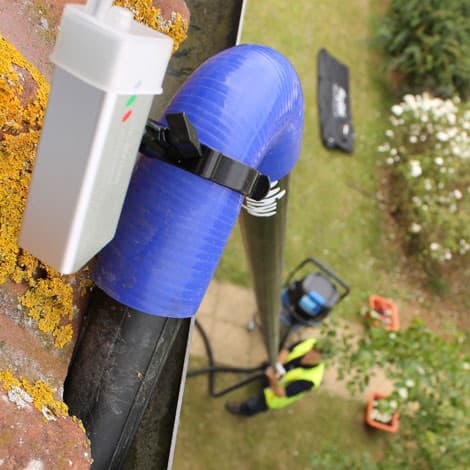
If you're not sure what your gutters look like right now, the easiest thing to do is get in touch and we'll have a look. We use the SkyVac's camera to do a pre-clean inspection so you can actually see what's in there before we start — no guessing, no 'I think they're probably fine.' We cover the Waikato region: Hamilton, Cambridge, Te Awamutu, Morrinsville, and surrounding areas.