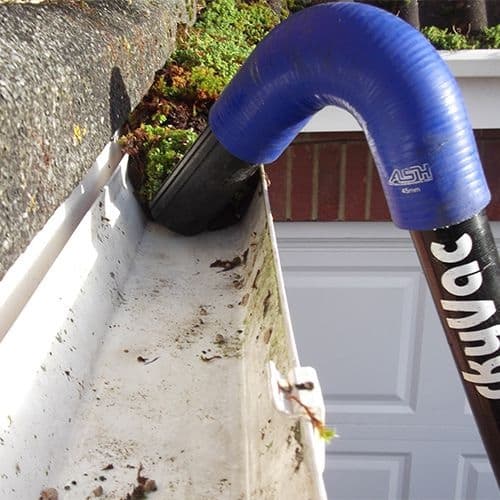
Here's the honest answer: you can't stop leaves getting into your gutters entirely. If you have trees nearby — and in the Waikato, most properties do — some leaves, seed pods, and small debris will always find their way in. What you can do is slow the process down, reduce how quickly your gutters fill, and make sure you're not letting a gradual build-up turn into a costly blockage. This guide covers the realistic options available to Waikato homeowners, what actually works, and what's worth skipping.
Why the Waikato is particularly leafy
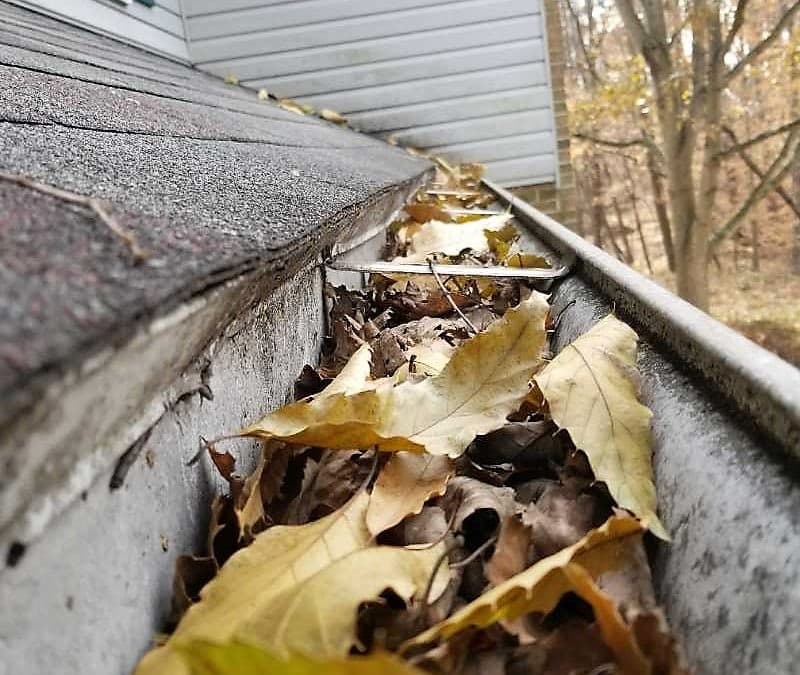
It's not just your imagination. The Waikato's combination of reliable rainfall, mild winters, and rich soil means trees grow fast and dense here. Hamilton suburbs like Flagstaff, Rototuna, and Chartwell are lined with established oak, ash, maple, and liquid amber plantings — all of which drop heavily in autumn. Older areas like St Andrews, Claudelands, and Fairfield have large mature trees that produce a serious volume of leaf litter every season.
Couple that with the Waikato's westerly winds, which carry light debris across several properties, and you end up with gutters that accumulate debris faster than most NZ regions. A gutter that might need clearing once a year in a low-tree suburb can need it twice or three times a year on a leafy street. Understanding this is the first step — there's no magic fix, but there are things that genuinely help.
Option one: trim trees away from the roofline
The single most effective thing you can do to reduce gutter debris is to cut back any branches that overhang or closely approach the roof. Overhanging branches do two things: they drop leaves directly into the gutter, and in wet conditions they act as a kind of conveyor, channelling additional water and organic matter along the branch and straight into the channel.
The rule of thumb arborists often use is to maintain a clearance of at least two metres between the nearest branch tip and the roofline. That's enough distance that most leaves dry out and blow clear before reaching the gutter rather than dropping straight in. It also reduces the risk of branch damage during storms.
- Focus on branches that extend over or toward the roof — not just those directly above the gutters.
- Autumn is a good time to do a pruning assessment: you can see the full leaf load and gauge where the problem spots are.
- For large or established trees, get a qualified arborist rather than attempting it yourself — improper pruning can damage the tree and create hazards.
- If the trees are on a neighbouring property, you'll need to have a conversation with your neighbour rather than pruning across the boundary.
- Council rules may apply to heritage or protected trees, especially in Hamilton City — check before cutting.
Trimming won't eliminate the problem — wind will still carry debris from trees further away — but it can make a real difference on properties where the main source of gutter debris is one or two overhanging trees.
Option two: gutter guards
Gutter guards are covers or inserts fitted to the top of the gutter channel to stop debris falling in while letting water through. They're widely sold and often marketed as an almost-permanent solution. The reality is more nuanced, and it's worth understanding the different types before spending money on them.
Mesh guards
Mesh guards are the most common type — a fine metal or plastic screen fitted across the top of the gutter. They work reasonably well at stopping large leaves from entering the channel, but fine debris (seed pods, small blossoms, pine needles, dust) still gets through the mesh openings. Over time, organic material also accumulates on top of the mesh itself, eventually blocking water flow from above rather than below. They're not maintenance-free.
Brush inserts
Brush inserts — a long cylindrical bristle brush that sits inside the gutter — are intended to let water through while debris sits on top of the bristles. In practice, the bristles catch and hold fine material extremely well, which sounds like it's working until you realise the trapped material is now composting inside your gutter and the bristles are increasingly matted with wet debris. They're genuinely difficult to clean once fouled.
Foam inserts
Foam inserts sit inside the gutter channel and work on a similar principle to brush inserts. They have the same fundamental problem: they trap fine debris, hold moisture, and can end up hosting moss and seedlings. After a couple of seasons in a leafy Waikato environment, foam inserts often need to be removed and replaced entirely.
The honest verdict on guards
Guards reduce how quickly gutters fill with large debris, and for homes with light leaf exposure they can meaningfully extend the interval between gutter cleaning visits. For homes on leafy streets with significant tree coverage — which describes a large proportion of Waikato properties — they slow the problem but don't solve it. They also make cleaning more involved when it is needed, because the guard has to be removed or cleaned as part of the job. Our guide on whether gutter guards actually work goes into this in more detail if you're considering installing them.
Option three: a regular cleaning schedule
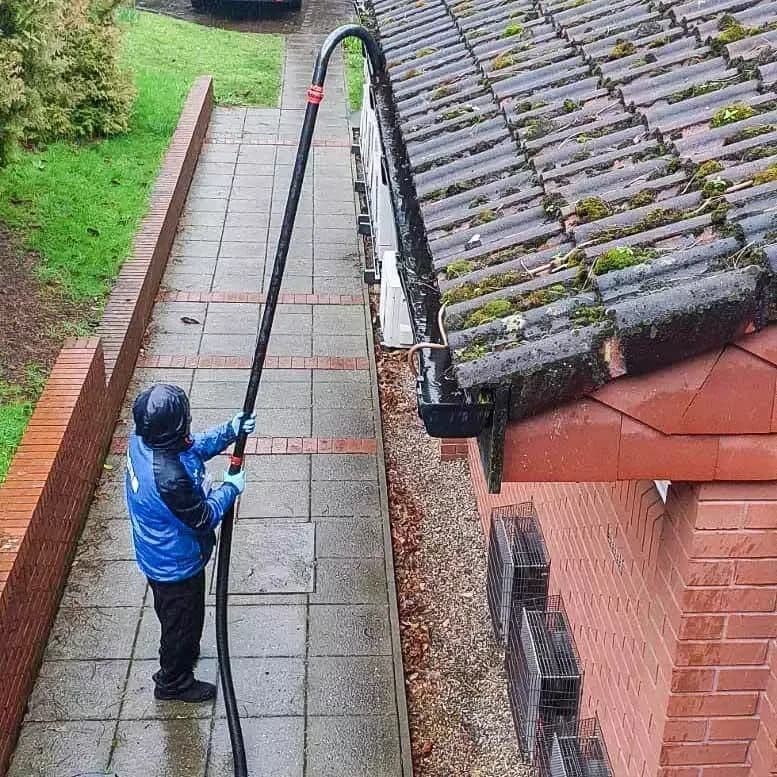
This is the option that actually works for every property type, regardless of tree coverage. A regular cleaning schedule means debris is cleared before it has time to compact, block downpipes, or decompose into the kind of dense silt that's much harder to remove. It's the unglamorous answer, but it's the reliable one.
For most Waikato homes, a clean once a year — ideally in late autumn after the main leaf drop has finished — is the minimum. Properties with significant tree coverage, or older homes with shallower gutter profiles that fill faster, often benefit from a second clean in spring. Our guide on how often you should clean your gutters covers timing in more detail.
- Autumn clean (May–June): Clears the season's main leaf drop before winter rain arrives. This is the most important clean of the year.
- Spring clean (September–October): Clears any debris accumulated over winter — often including seed pods, lichen fragments, and fine material the autumn clean didn't catch.
- Post-storm check: After a significant storm, it's worth checking downpipes are draining. A single large storm can push a borderline gutter over the edge.
Combining approaches
The most effective approach for a leafy Waikato property is usually a combination: trim overhanging branches where practical, consider guards on sections of gutter that are away from the main tree coverage, and commit to a regular cleaning schedule regardless. None of these options replace the others — they each reduce a different part of the problem.
If you're unsure how often your gutters actually need clearing, a professional clean with a camera inspection is a good starting point. The SkyVac gutter vacuum we use includes a live camera feed that shows the condition of the gutter before and after cleaning — so you get a real picture of how fast your specific gutters are accumulating debris, which is far more useful than guessing. You can see more about how that system works in our guide to how the SkyVac gutter vacuum works.
What to avoid
A few approaches that sound promising but aren't worth the money or effort:
- Blowing leaves off the roof: Moving leaves from the roof to the gutter doesn't solve anything — it just accelerates the fill rate.
- Expecting guards to be self-cleaning: No currently available residential gutter guard is genuinely maintenance-free in a leafy environment. Any claim to the contrary should be read carefully.
- Waiting until there's a visible problem: By the time you're seeing water overflowing or staining the fascia, there's likely compacted debris that's been building for a season or more. What happens when you don't clean gutters is more serious than most people realise.
- Using a DIY gutter vacuum or pressure washer from a ladder: Working at height is genuinely risky. Falls from ladders are among the most common causes of serious home-maintenance injuries in New Zealand. Ground-based gutter cleaning is a much safer approach.
Bottom line
You can reduce how quickly leaves accumulate in your gutters, but you can't eliminate it entirely — especially in the Waikato. Trimming trees back from the roofline helps. Gutter guards help with large debris but have real limits. The most reliable thing you can do is keep to a cleaning schedule so the build-up never gets ahead of you.
If you'd like a hand working out what schedule makes sense for your property, or if it's been a while since your gutters were properly cleared, get in touch with us for a no-obligation quote. We cover Hamilton, Cambridge, Te Awamutu, Morrinsville, and surrounding Waikato areas — all from the ground, no ladders required.