Gutters are one of those things that work quietly in the background until they don't. A bit of attention through the year — checking, clearing, catching small problems early — keeps them doing their job and saves you from expensive repairs down the track. This checklist gives you a simple framework for year-round gutter maintenance, with a clear picture of what to do yourself and when to call a professional.
Why a checklist helps
The main reason gutters get neglected isn't laziness — it's that they're out of sight. When the sun's out and the house looks fine, it's easy to assume everything's in order. A routine checklist takes the guesswork out of it. You know what you're looking for, when to look, and what to do when something's not right. It turns a vague task into a concrete one.
For Waikato homes especially, where leafy streets and damp winters can fill gutters faster than you'd expect, a bit of structure goes a long way. If you're not sure how often gutters typically need attention, our guide on cleaning frequency is a good starting point.
Summer (December – February): visual check from the ground
Summer is the lightest maintenance period for most homes. Your main job is a ground-level visual check:
- Walk the perimeter of the house and scan the gutter line. Look for any obvious sagging, separating joints, or sections that have pulled away from the fascia.
- Check for rust staining on the gutters or walls — a sign water's been escaping somewhere it shouldn't.
- After any rain, watch whether water drains cleanly or backs up and spills over.
- Look for any signs of bird nesting or plant growth in the gutters — both indicate blocked sections.
If everything looks clear, no action needed. If you spot something, note it down — early summer is a good time to call a professional while booking slots are easier to get.
Autumn (March – May): the most important clean of the year
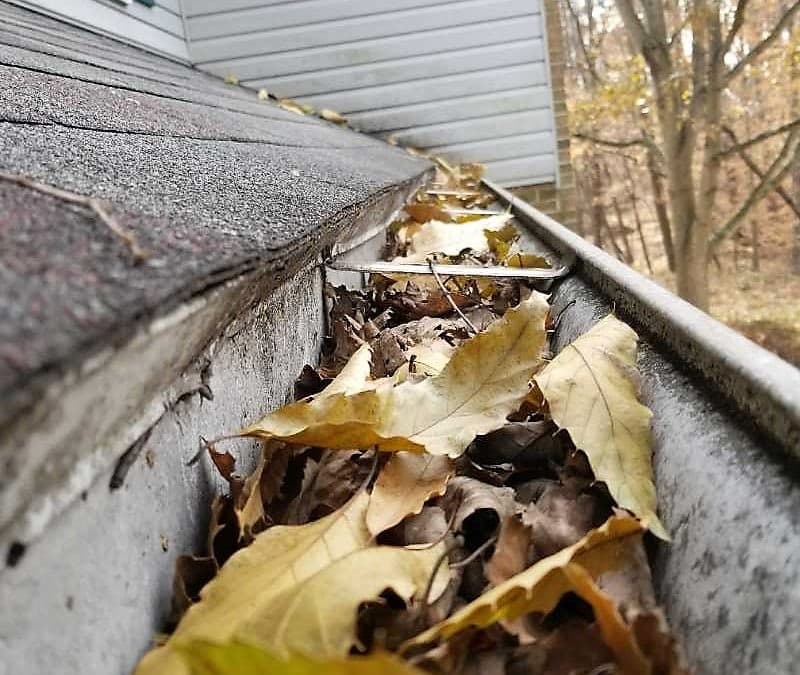
Autumn is when gutters earn their keep — and when most blockages happen. Leaves fall, seed pods drop, and the first heavy rains of the season hit. This is the season where a blocked gutter causes real problems.
- Book a professional gutter clean before the main leaf fall is over — ideally late April or early May before winter rain sets in.
- Make sure downpipes are cleared as part of the clean, not just the gutter channels.
- Check that gutter brackets and fixings look secure — leaf-heavy gutters put extra weight on fixings.
- After the clean, run water through with a hose (or wait for the first rain) to confirm flow is clear end to end.
Winter (June – August): monitor and protect
If you've had a good autumn clean, winter should be straightforward. Your job in winter is to monitor rather than intervene:
- After heavy rain, check that water is flowing out of the downpipes at ground level — if it's not, something's blocked.
- Watch for overflow at the front of the gutter channel during downpours. Some overflow in extreme weather is normal; overflow in moderate rain means there's a blockage.
- Look at the ground beneath downpipes — erosion or pooling suggests the downpipe is directing water but the drainage at the base needs attention.
- If you have long runs of gutter without a downpipe, pay extra attention to those sections — they're more likely to pool.
If you spot consistent overflow mid-winter and didn't get a clean in autumn, it's worth booking one even in the wet months. A partial blockage left through winter can lead to water damage in the fascia, soffit, or wall cavity. Read more about what happens when gutters aren't cleared.
Spring (September – November): second check and touch-up
Spring is a good time for a second look — especially if your home is surrounded by trees that drop leaves or seeds in both seasons. Some Waikato properties need a clean in both autumn and spring.
- If you have trees close to the house that bloom, seed or drop in spring, book a second professional clean.
- Inspect gutter fixings after winter — frost and wet weather can loosen brackets over time.
- Check for moss and lichen growth. Spring warmth encourages growth, and established moss holds moisture against the gutter wall.
- Clear any debris that's accumulated at the top of downpipes over winter.
What to check beyond the gutter channel
Gutters are part of a system — they collect, channel, and redirect water. The checklist isn't complete without looking at the whole system:
- Downpipes: Are they clear? Secured to the wall? Directing water away from the foundation?
- Gutter guards (if fitted): Are they clear of debris on top? Guards reduce leaf entry but still need occasional maintenance — check our guide on whether gutter guards actually work.
- Fascia boards: Any staining, rot or soft spots indicate water has been escaping from the gutter for a while.
- Ground drainage: Is water discharging onto a hard surface or into a drain? Puddles against the foundation are a problem.
When to call a professional
The visual and ground-level checks are things most homeowners can do themselves. The actual cleaning is a different matter. Working at height to scoop debris from gutters is genuinely dangerous — ladder falls are one of the most common causes of serious home-maintenance injuries in New Zealand.
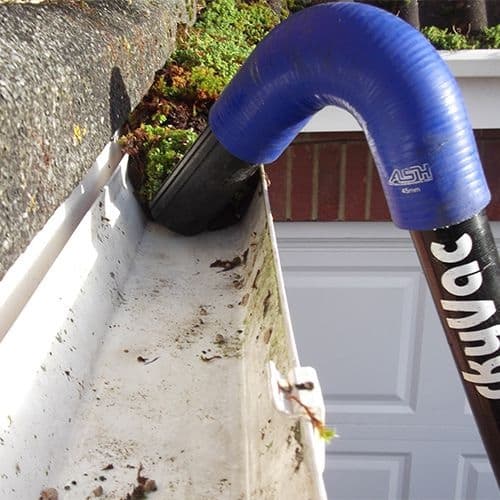
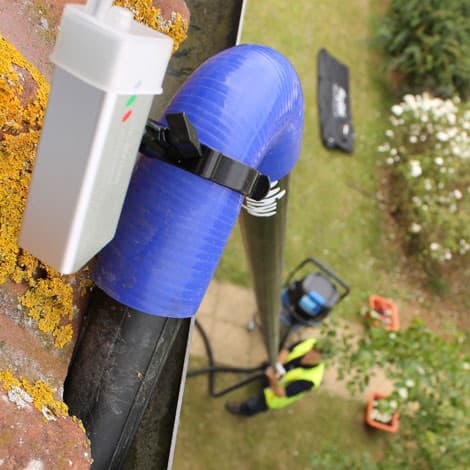
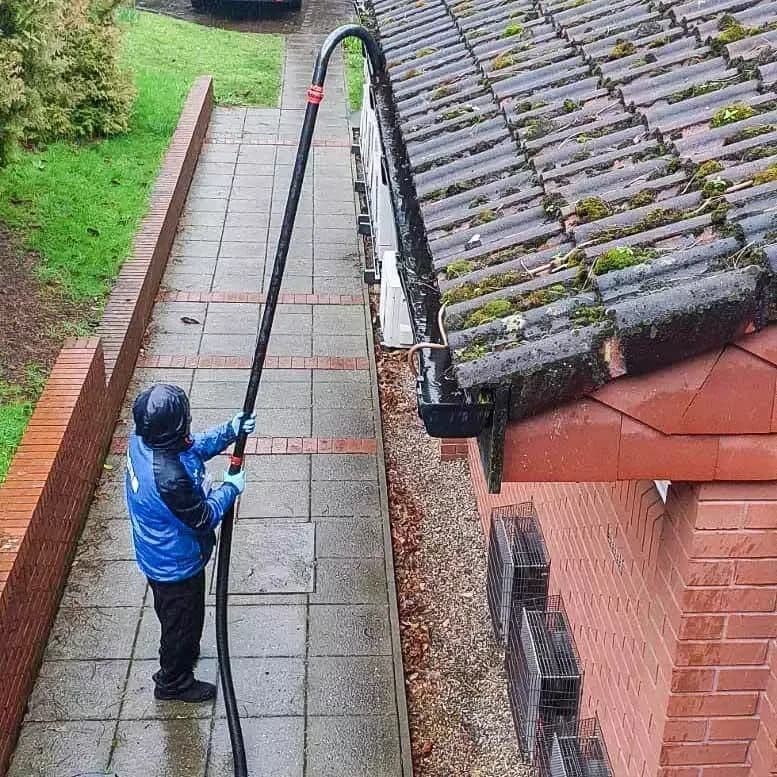
A professional service like Gutter Gators clears gutters from the ground using an industrial vacuum and a pole-mounted camera — no ladders, no mess, no risk. We also inspect the gutter condition as we go and flag anything that needs attention. For most Waikato homes, booking a professional once or twice a year and doing the seasonal monitoring yourself is the sensible approach.
Want to get this year's clean booked in? Get a free quote and we'll sort out the timing to suit your home and your trees.