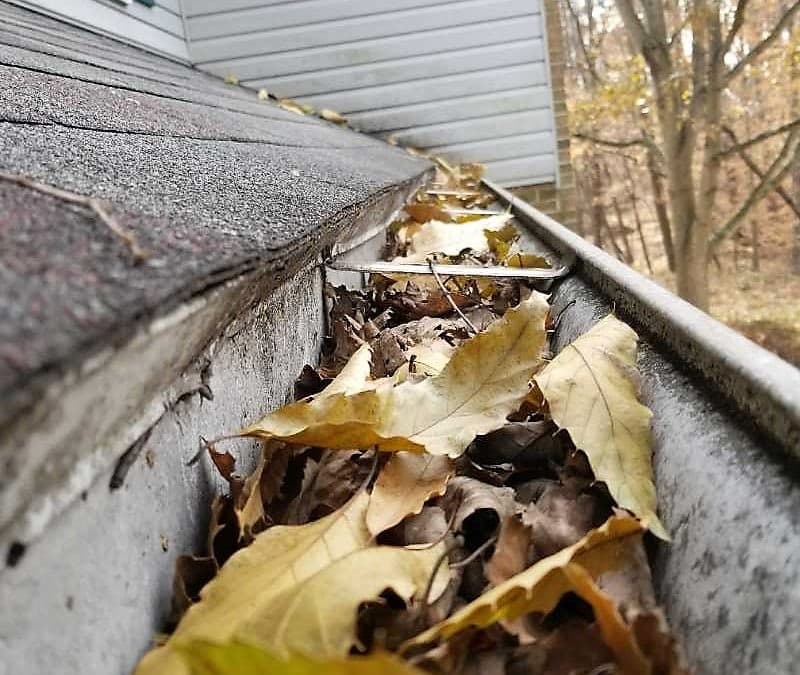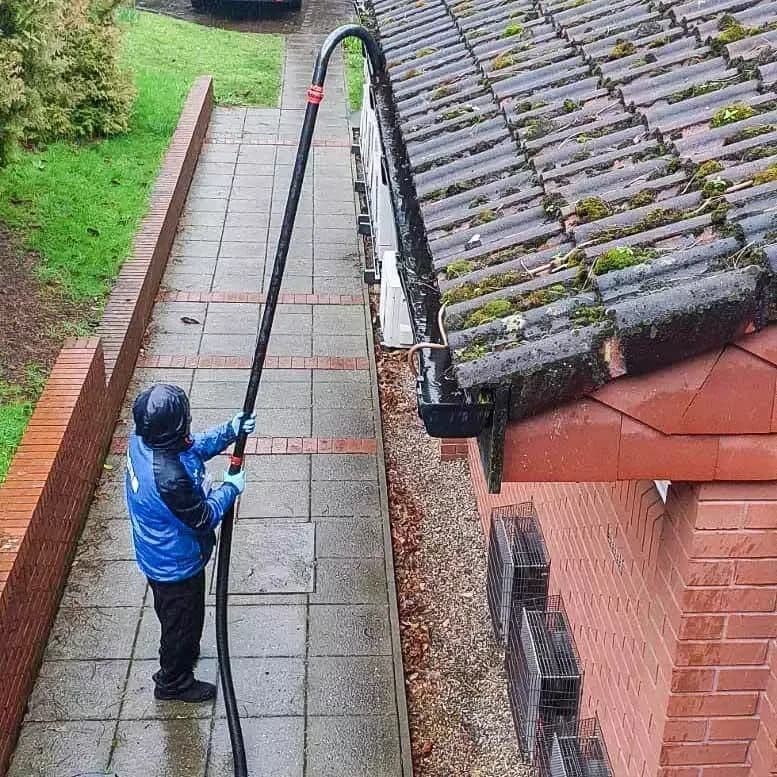
Gutter advice written for somewhere like Auckland or Christchurch doesn't always translate well to the Waikato. We have our own climate, our own tree species, and our own housing stock — a lot of older homes on decent sections with mature trees overhead. These eight tips are written specifically for here: Hamilton, Cambridge, Te Awamutu, Morrinsville, and the smaller towns in between.
Tip 1: Clean in late April, not late June
The standard advice is to 'clean your gutters in autumn' — but timing matters a lot more than that. If you wait until June, the main leaf fall is over but the heavy winter rain has already started. That means your gutters have been running blocked through the first wet months of the year, doing damage to fascia and cladding while you waited.
In the Waikato, late April to mid-May is the sweet spot. The bulk of leaf fall from deciduous trees is done, but you're still ahead of the worst of the winter rain. If you can only do one clean a year, this is when it matters most. How often you clean depends on your specific trees and roof, but this timing is the right baseline for most Waikato homes.
Tip 2: Know your trees
Different trees create different gutter problems, and the Waikato has a wide mix. Plane trees, which line a lot of Hamilton's older streets, drop seed pods as well as leaves — and those pods can compact into a dense mat that water can't get through. Liquid amber trees are stunning in autumn but drop late and heavily. Eucalyptus and native species like pohutukawa drop bark and small debris year-round rather than seasonally.
Work out what's overhanging your roof and whether it drops in one main season or throughout the year. That tells you whether a single annual clean is enough, or whether you need to be on a twice-yearly schedule.
Tip 3: Damp conditions mean moss, and moss means trouble
The Waikato's humidity and mild winters are great for gardens — and unfortunately great for moss and lichen too. Moss in a gutter doesn't just sit there. It holds moisture against the gutter surface, speeds up corrosion in steel gutters, and can form a plug that debris builds up behind.
- If your roof is shaded for much of the day, expect faster moss build-up on both the roof and in the gutters.
- Moss in the gutter is often a sign there's also moss on the roof above it — and roof moss causes its own problems with water retention and roofing material degradation.
- A gutter clean that includes moss removal (rather than just debris removal) is worth asking about specifically if your home is prone to it.
Our roof and gutter cleaning service covers both at the same time for homes where the roof itself has a moss problem as well.
Tip 4: Don't ignore downpipes
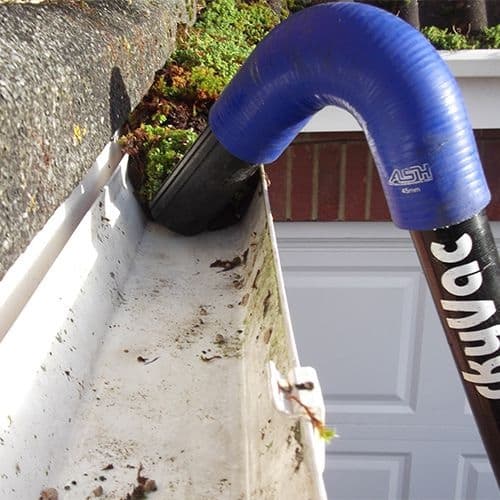
A clean gutter channel means nothing if the downpipe is blocked. Water fills the channel and overflows exactly as if the gutter was packed with leaves — but the cause is three metres further down. Downpipe blockages are common in the Waikato because a lot of the debris that ends up in gutters here is fine: willow seeds, sycamore helicopters, pine needles, small gum nuts. Fine debris washes into downpipes and compacts.
Always make sure whoever cleans your gutters also checks and clears the downpipes. If you're getting a clean done and they're not mentioning downpipes, ask about it. Our vacuum system checks each downpipe inlet with a camera as part of the standard job.
Tip 5: Two-storey homes need a different approach
There are a lot of two-storey homes in the Waikato — particularly in Hamilton's older suburbs like Chartwell, Flagstaff, and Rototuna — and they need a different approach to gutter cleaning. A standard ladder isn't the right tool for six-metre height work, and a domestic extension ladder on soft ground or a sloped driveway is genuinely risky.
Ground-based vacuum systems like the SkyVac reach two-storey gutters comfortably without any ladder required. If you have a two-storey home, two-storey gutter cleaning done from the ground is both safer and more practical than trying to manage extended ladders yourself or asking a handyman to do it.
Tip 6: After a big storm, do a quick check
Waikato summers can bring significant storm cells — the kind that drop a lot of rain in a short time and bring debris down from surrounding trees all at once. After any storm that's put a lot of material on your lawn or driveway, it's worth doing a quick walk around the house and looking up at the gutter line.
- Look for leaves or large debris visible above the gutter edge.
- Check whether any gutter brackets have been knocked or shifted by debris impact.
- If it rains again in the next few days, watch whether the gutters drain cleanly.
A storm doesn't automatically mean you need a full clean — but if you're sitting between your scheduled cleans and a big one has gone through, a quick visual keeps you ahead of any issues.
Tip 7: Get a condition report, not just a clean
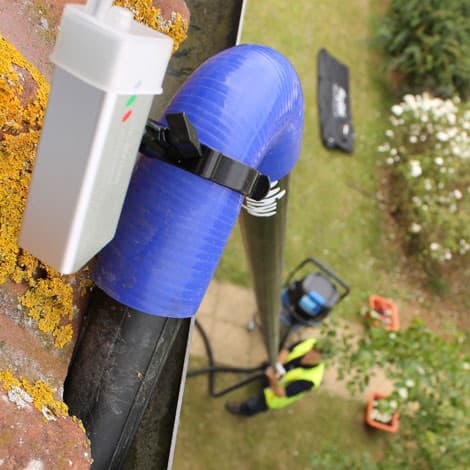
When you book a professional gutter clean, ask whether you'll get a condition report. A good clean is one thing — but knowing whether your gutters are in good structural shape, whether there are any cracked sections, loose brackets, or areas where the pitch has shifted, means you can plan ahead rather than react when something fails.
We use a pole-mounted camera as standard so we can show customers what we found inside the gutters before and after the job. It's not just a checkbox — it's useful information about the actual state of your home. If you're preparing to sell, or you've owned the property for a few years without having the gutters inspected, this matters. See our guide on gutter cleaning before selling for more on why.
Tip 8: Book before the busy season, not during it
May and early June are when demand for gutter cleaning spikes across the Waikato. Homeowners who've waited until they notice overflow, or who've put the task off, are all trying to get booked in at the same time. Service providers are busy, scheduling is harder, and you're cleaning up after weeks of rain rather than before them.
Book your autumn clean in late March or early April — before the leaves have fully fallen, but close enough that most of the season's debris will be there when we arrive. If you're thinking about a roof and gutter clean, or you need water blasting done at the same time, combining the jobs on the same visit saves time and often cost.
The quick version
For Waikato homes: clean in late April before winter rain, know what your trees drop and when, don't skip the downpipes, and if you've got a two-storey home make sure the method being used is actually suited for the height. Book early rather than when everyone else is panicking. And if you want a job that's done right with a camera check and no mess left behind, get in touch with us — we cover the whole region and can usually fit you in within a week or two.